
Gum Disease Symptoms in Mays Landing, NJ
Here’s to healthy gums!
Are You Suffering From Gum Disease?

Gum disease, also known as periodontal disease, is a common yet often overlooked condition that affects millions of people worldwide. Left untreated, it can lead to serious oral health issues, tooth loss, and even systemic health problems. But the good news? Recognizing the symptoms early and taking action can save your smile and protect your overall health.
Don’t let gum disease progress any further! Contact our dental practice in Mays Landing at (609) 625-3499 today.
Symptoms of Gum Disease

Bleeding Gums
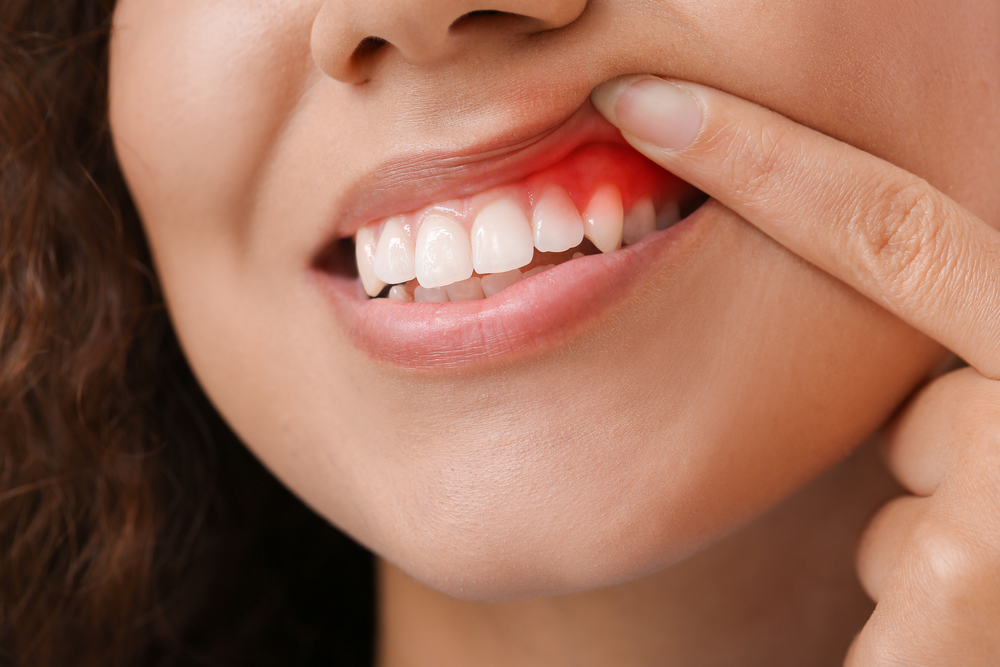
One of the earliest and most noticeable signs of gum disease is bleeding gums, especially when brushing or flossing. Healthy gums don’t bleed, so if you see pink in the sink, it’s time to pay attention. Bleeding gums indicate inflammation, often caused by plaque buildup irritating the gum tissue.
Red, Swollen, or Tender Gums
Healthy gums are pale pink and firm. If your gums appear red, puffy, or feel sore to the touch, this is a red flag. Inflammation is your body’s response to bacterial infection, signaling the onset of gingivitis or early periodontitis.
Persistent Bad Breath or Bad Taste
Bad breath that doesn’t go away, even after brushing, or a persistent bad taste in your mouth can indicate gum disease. Bacteria in plaque and tartar release toxins that cause foul odors, a sign that your oral health needs attention.
Receding Gums
If your teeth look longer or your gums seem to be pulling away from your teeth, you may have receding gums. This occurs when gum tissue is lost, exposing the tooth roots and increasing sensitivity. Receding gums are a hallmark of advancing gum disease.
Loose or Shifting Teeth
As gum disease progresses to periodontitis, it can damage the bone and ligaments supporting your teeth, causing them to become loose or shift. If you notice changes in your bite or gaps forming between teeth, seek dental care immediately.
Pain When Chewing
Discomfort or pain while eating can indicate gum infection or damage to the supporting structures of your teeth. This symptom often appears in more advanced stages of gum disease.
Pus Between Teeth and Gums
The presence of pus is a serious sign of infection, often associated with periodontal abscesses. If you notice pus or sores in your mouth, it’s a dental emergency requiring immediate attention.
Changes in Tooth Alignment or Bite
Gum disease can weaken the structures holding your teeth in place, leading to misalignment or changes in how your teeth fit together when you bite. This can affect your ability to chew comfortably and may alter your smile’s appearance.
Increased Tooth Sensitivity
Exposed tooth roots due to receding gums can make your teeth sensitive to hot, cold, or sweet foods and drinks. This sensitivity is a common symptom of progressing gum disease.
Sores or Ulcers in the Mouth
Painful sores or ulcers along the gumline can develop as gum disease worsens, often due to bacterial infection or tissue breakdown.
Don’t let these symptoms worsen. Contact our dentist near you today at (609) 625-3499 to schedule an appointment.

Risk Factors of Gum Disease
Certain factors increase your likelihood of developing gum disease, even with good oral hygiene. The biggest risk factors of periodontal disease include:
- Tobacco Use: Smoking or chewing tobacco significantly increases gum disease risk. Tobacco weakens the immune system, reduces blood flow to the gums, and impairs healing. The American Academy of Periodontology notes that smokers are more likely to develop gum disease.
- Genetics: A family history of gum disease raises your risk. Genetic predisposition can make some individuals more susceptible to periodontal infections, even with proper care.
- Hormonal Changes: Fluctuations during puberty, pregnancy, menopause, or menstruation can make gums more sensitive and prone to inflammation. Pregnant women may develop “pregnancy gingivitis” due to increased hormone levels.
- Medications: Drugs like antidepressants, antihistamines, or heart medications can reduce saliva production, leading to dry mouth. Saliva helps wash away bacteria, so less saliva increases plaque buildup.
- Chronic Health Conditions: Diseases like diabetes, heart disease, or autoimmune disorders impair the body’s ability to fight infections, including gum disease. Poorly controlled diabetes, for example, creates a bacteria-friendly environment.
- Poor Nutrition: A diet lacking vitamin C, calcium, or other nutrients weakens gum tissue and bone. High-sugar or processed foods fuel plaque-forming bacteria.
- Stress: Chronic stress weakens the immune system, reducing its ability to combat gum infections. Stress-related habits like teeth grinding can also damage gums.
- Age: The risk of gum disease increases with age. The CDC reports that nearly 42% of adults over 30 have some form of periodontal disease, often due to cumulative plaque buildup or weakened immunity.
- Obesity: Excess body weight is linked to chronic inflammation, exacerbating gum disease. Obesity also increases the risk of related conditions like diabetes.
- Poor Oral Hygiene: Skipping dental visits, improper brushing, or neglecting flossing allows plaque to accumulate, significantly raising gum disease risk.
Frequently Asked Questions
-
How can I prevent gum disease?
The best way to prevent gum disease is to practice good oral hygiene habits, including:
- Brushing your teeth twice a day and using fluoride toothpaste
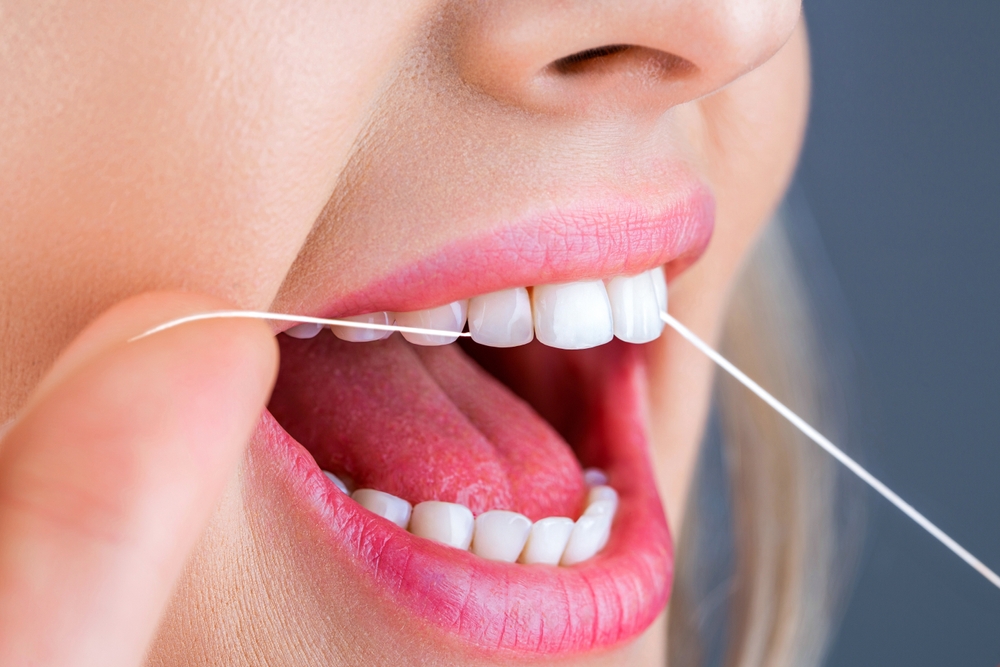
- Flossing daily
- Visiting your dentist for regular dental check-ups and cleanings.
- Avoiding tobacco products
- Maintaining a healthy diet
-
What are the earliest signs of gum disease?
Bleeding gums, red or swollen gums, and persistent bad breath are early signs, indicating gingivitis, which is reversible with proper care.
-
Can gum disease lead to tooth loss?
Yes, advanced periodontitis can destroy supporting bone and tissues, causing tooth loss if untreated.

Take Action for Healthier Gums Today
Ask us about our complimentary cosmetic consultation!
Gum disease is a silent threat that can compromise your smile and health, but you have the power to fight back. Don’t wait for pain or tooth loss—schedule a dental appointment today by calling our Mays Landing dental office at (609) 625-3499.